Analysis of Ski Helmet Protection Levels and Technical Standards
According to the European standard CE EN1077:2007, ski helmets are classified into two distinct protection levels based on their protection range and structural design: CLASS A (full protection) and CLASS B (limited protection). This classification system reflects the essential differences in helmet protection range, structural strength, and applicable scenarios.
Technical Differentiation of Protection Levels
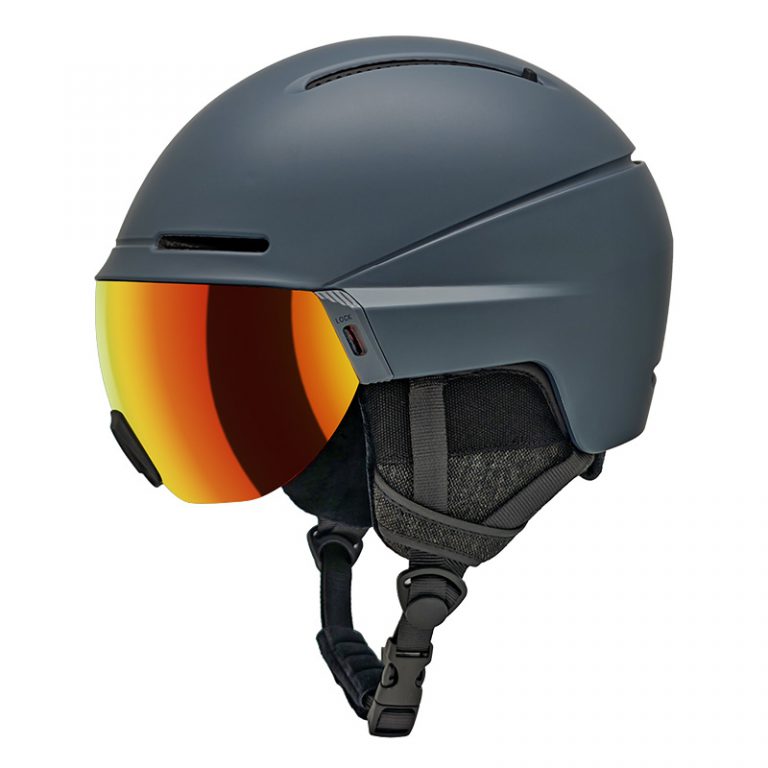
CLASS B Helmets: Features flexible earmuffs, covering the main area of the skull. Ear protection is a non-rigid structure. Suitable for general recreational skiing and low-speed sports environments.
CLASS A Helmets: Equipped with rigid integrated earmuffs, achieving full skull protection including the ears. The integrity of the protected area is significantly better than CLASS B. Its impact resistance and structural strength are designed according to competitive standards, suitable for professional competitions and high-speed skiing scenarios.
Helmet Types and Biomechanical Adaptation
1. Alpine Ski Helmets: Specifically developed for the high-speed, multi-risk environment of alpine skiing. 1. **Class A Helmet:** Due to their dynamic characteristics (high average speed, high impact risk), these helmets generally employ the more protective CLASS A structure.
2. Cross-Country Ski Helmet: Designed for the low-to-medium intensity needs of Nordic skiing, emphasizing breathability and lightweight construction. Most products use a CLASS B construction, optimizing endurance while ensuring basic protection.
3. Freestyle Ski Helmet: Originating from terrain parks and aerials, these helmets share similarities in shape and structure with skateboard helmets. The design prioritizes multi-dimensional impact protection and agility, with some models using an enhanced CLASS B or a simplified CLASS A structure.
Certification Standards and Performance Requirements
CE EN1077 Certification: A mandatory EU certification standard that defines the basic safety requirements for CLASS A/B helmets and is currently the core basis for market access.
ASTM F2040 Certification: A safety standard developed by the American Society for Testing and Materials (ASTM). Its testing methods and performance requirements differ technically from European standards.
The FIS 2013/2014 Competition Standard is an enhanced standard developed by the International Ski Federation based on the EN1077 CLASS A requirements. Key technical improvements include:
Impact test speed increased from 5.38 m/s to 6.8 m/s
Peak acceleration limit not less than 250g
This standard is significantly stricter than the basic Class A requirements in terms of energy absorption efficiency and high-speed impact performance, explicitly excluding the applicability of CLASS B helmets.